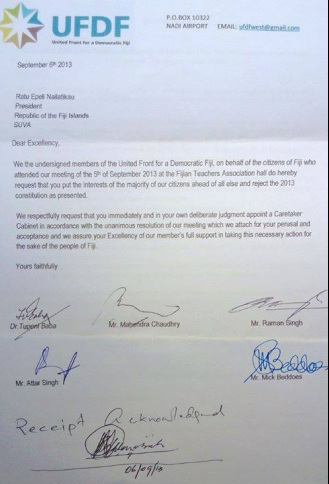

Fijileaks
  • Home
  • Archive Home
  • In-depth Analysis
    • BOI Report into George Speight and others beatings
  • Documents
  • Opinion
  • CRC Submissions
  • Features
  • Archive

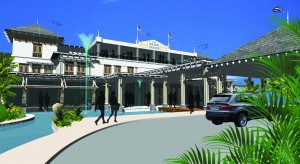
Momigate and FNFP Money Waste! Lack of Foreign Investment in Fiji since 2007 forces Bainimarama regime to call for new tender abroad

17/9/2013

0 Comments

 
Picture
Picture
Picture
Picture
0 Comments

Church leaders proclaim: "True democracy in Fiji includes the transformation of power structures from patron-client to one in which people participate freely and responsibly in the political affairs of our country"

17/9/2013

0 Comments

 
0 Comments

The former CEO in Prime Ministers Office before the 2006 coup shares his thoughts on Fiji's new Constitution - citizens need to be "vigilant"

16/9/2013

3 Comments

 
PictureKotobalavu
THE NEED FOR CITIZENS TO BE VIGILANT TO ENSURE FREE, FAIR AND CREDIBLE ELECTIONS IN SEPTEMBER 2014

BY JIOJI KOTOBALAVU

PRESENTATION AT PANEL DISCUSSION ON DEMOCRACY IN THE CONTEXT OF FIJI’S NEW CONSTITUTION, UNIVERSITY OF THE SOUTH PACIFIC, MONDAY, 16TH SEPTEMBER 2013

INTRODUCTION

Our new constitution is constructed on the understanding that as a unitary state the Republic of Fiji is to continue to be a parliamentary democracy.

In this context, I am sure that we are all interested in engaging in speculative discussions on the kind of parliamentary democracy that we expect to see emerge in Fiji as the combined outcomes of the interplay between the various principles of governance entrenched in the Constitution, and the various political and sociological factors that are at work in our society in influencing people’s attitudes and behavior.

This is a very big subject, and so this evening let me facilitate our discussions by a commentary on the overriding importance of next year’s general elections. I do this for two reasons.

Firstly, if parliamentary democracy is to genuinely mean government of the people by the people and for the people, then clearly its foundation has to be the unfettered and unimpeded exercise by the people of their constitutional right to freely choose through independently and impartially organized general elections their representatives to Parliament. This is crucially important because as we are reminded by the United Nations Universal Declaration of Human Rights it is the freely expressed collective will of the people that legitimizes the authority of Parliament to enact laws for the good governance of the state, and of the political government drawn from the Members of Parliament to govern the country in accordance with the liberal democratic principle of majority rule.

The second reason is that the conduct of general elections in a free, fair and honest manner brings into play the other two essential components of an effective and enduring system of liberal democracy. These are the principles of constitutionalism and the rule of law. Constitutionalism and the rule of law are the sentinels of liberal democracy. Without them, all we can look forward to is what has been described as an illiberal democracy.

Constitutionalism means in this context that government and state authorities must play by the rules as set out in the Constitution and by those that are meticulously observed as constitutional conventions in parliamentary democracies.

Rule of law means that every action by the state or the government must be founded in law; that the law must apply equally to everyone without particular favour to any persons or section of society; and that in applying the law all public authorities must always act in good faith, for the public good, and with an abiding respect for the basic rights, fundamental freedoms and legitimate expectations of every individual person.

And the courts being the guardian of constitutionalism, the rule of law and human rights, it is absolutely indispensable that we should have an independent and impartial judiciary, unlimited in its jurisdiction and accessible without hindrance to ordinary citizens who seek justice from the violation of their constitutional rights. But more than that, we need to ensure that we have judges who are secure in their tenure of employment, so that they can be fearless in upholding the law and in delivering justice to everyone.

TIME-TABLE FOR 2014 GENERAL ELECTIONS


Let us now turn to the Constitution. The Government, to its credit, has set out under Article 170 a specific time-frame for the general elections.

-Parliamentary elections are to be held no later than 30 September 2014.

-60 days before actual polling day, the President is to announce the specific date for polling.

-44 days before polling day, the President will issue the writ for the general elections.

-Nomination for candidates is then to follow in the next 14 days and the last day for nomination being the 30th day before polling day.

-This means that there will be 29 clear days before actual polling day.

Now, for us as freedom-loving and law-abiding citizens who want to see that there is a genuine return to constitutional democracy, there are certain aspects we need to think about carefully.

Firstly, voting is to take place throughout Fiji in a single day. Before, voting was spread out over one week. The question is: will a one-day voting be realistic, sufficient and fair to enable every voter to exercise his or her right to vote?

Secondly, Government has also announced an intention to decentralize the counting of votes to the various polling centres. A potential problem here is that political parties may not have the resources to be adequately represented in all counting centres to verify and monitor ballot papers and the counting.  How then can we ensure the integrity of vote counting and, therefore, the honest and credible outcome of the elections as a whole? In this context, a relevant question is: should we not encourage the Government to invite international observers for the elections? And would there be merit in the USP as an academic and research institution undertaking a comprehensive survey and analysis of the 2014 general elections similar to what it did in the 1999 General Elections. It will be most interesting, for example, to establish whether there is a correlation between the results of comprehensive exit polls and the official results of vote counting.

Thirdly, there is the constitutional convention of the caretaker administration. On the day the President issues the writ for the general elections, that is 44 days before polling day, the Government becomes a caretaker administration. This is essentially a holding operation. Generally, the administration is not to initiate new policy measures or make unbudgeted commitments. The rationale is that this is to ensure fairness and a level playing field for all competing political parties, and that incumbency is not to be used for undue political advantage. The question is: how can we ensure that this aspect of constitutionalism is fully respected and complied with?  

The judgment and general comments by His Honour Justice Gates in the High Court case of Koroi v Commissioner for Inland Revenue [2001] FJHC 138 are illuminating and instructive in enlightening us on what a caretaker administration can or cannot lawfully do.

As to the crucial importance of the independent and impartial administration of the whole elections process, Article 170 [5] of the new Constitution simply states that until such time when the Electoral Commission or a Supervisor of Elections is appointed under the Constitution, their functions shall be performed by the Permanent Secretary responsible for elections.

In South Africa, the Constitution specifically provides [under article 181(1)] that the Independent Electoral Commission must be

“---independent, and subject only to the Constitution and the law--- and must be impartial and must exercise [its] powers and perform [its] duties without fear, favour or prejudice.”

POLITICAL RIGHTS OF CITIZENS

Free elections in a democracy is essentially about the right of adult citizens to participate without hindrance in forming and joining political parties, in standing as candidates, in publicly campaigning and canvassing for voter support, and to cast one’s vote, and all these without intimidation or other undue influence.

What then does the Constitution say about the political rights of citizens?

Article 23 [2] states unequivocally:

“Every citizen has the right to free, fair and regular elections---.”

Article 23 [1] then states:

“Every citizen has the freedom to make political choices, and the right –

(a) to form or join a political party;

(b) to participate in the activities of, or recruit members for, a political party; and

(c) to campaign for a political party, candidate or cause.”

This Article is a new addition to the Bill of Rights. It was never provided for in the 1997 Constitution. Government should be commended for this inclusion in the Constitution.

Article 17 [1] states:

“Every person has the right to freedom of speech, expression, ---and publication, which includes---

(b) freedom of the press, including print, electronic and other media; and

(d) academic freedom and freedom of scientific research.”

Article 18 [1] states:

“Every person has the right, peaceably and unarmed, to assemble, demonstrate, picket and to present petitions.”

Article 19 [1] states:

“Every person has the right to freedom of association.”

All these are splendid positive statements of rights. But then consider the following limitations:

[1] Under each of these freedom articles, that is, Articles 17, 18 and 19, there is an accompanying limitation sub-provision. For example, under Article 17 on freedom of speech, expression, publication, the press and the media, the limitation sub-provision states:

“(3) To the extent that it is necessary, a law may limit, or may authorize the limitation of, the rights and freedoms [in Article [1] above] in the interests of-

(a)National security, public safety, public order,---or the orderly conduction of elections.” 

(h)Making provisions for the enforcement of media standards and providing for the regulation, registration and conduct of media organisations.”

In fairness to Government, the limitation in (3) (a) above was also present in the 1997 Constitution Bill of Rights. However, in addition to new limitations such as that in (3) (h) above, what has been most significant is the exclusion from this new Constitution of the qualification clause in the 1997 Constitution to this limitation sub-provision. This qualification clause in the 1997 Constitution which has been excluded from the new Constitution read:

“---but only to the extent that the limitation is reasonable and justifiable in a free and democratic society.”

This exclusion is very significant because this qualification on the limitation provision sets a threshold to assist the courts in determining the reasonableness or otherwise of the application of the limitation provision in particular circumstances.

Consider, for example, this constitutional challenge case in the Commonwealth country of Zambia where a group of Zambian citizens sought court protection for what they alleged was state interference in the free exercise by them of their political rights under their country’s Constitution.

Mulundika and Others v The People [1996] 2 LRC 175

The appellants were arrested while taking part in a public gathering for which a permit had not been issued under section 5 [4] of the Public Order Act. This legislation provided that a permit to convene an assembly or a public meeting or to form a procession in a public place would be issued only if the regulating officer was satisfied that the proposed gathering was unlikely to cause or lead to a breach of the peace.

The appellants challenged the constitutionality of this provision on the ground that it contravened articles 20 and 21 of the Constitution which guaranteed freedom of expression and freedom of assembly respectively.

The Supreme Court, by a majority, held that the right to organize and participate in public gatherings was inherent in the freedom to express and to receive ideas and information without interference, and that the requirements of prior permission, with the possibility that such permission might be refused on improper or arbitrary grounds or even unknown grounds, was an obvious hindrance to those freedoms. 

The Court also held that the absence of adequate guidelines in section 5 [4] of the Public Order Act, especially since it gave unfettered and uncontrolled subjective discretion to a regulating officer, rendered it seriously flawed and prima facie constitutionally objectionable.

The Court concluded that the cumulative effect of section 5 [4] of the Public Order Act was that it was not reasonably justifiable in a democratic society, contravened articles 20 and 21 of the Constitution and was therefore null and void for unconstitutionality.  

Here in Fiji, the question that arises is: given that the new Constitution, as Fiji’s supreme law, has come into effect from 7th September 2013 and notwithstanding that the Public Order [Amendment] Decree 2012 remains in force until Parliament is convened following the general elections in September 2014, would any individual person or persons adversely affected by , or with sufficient interests in, an action by a public authority that interferes with rights guaranteed under articles 17, 18, 19, and 23 be able to seek redress from the courts?  This is especially during this critical period between now and the holding of general elections in September 2014.

We shall need to seek clarification on this from Government. But it would appear that the answer is a clear no.

This is firstly because the Constitution itself states [in Article 16 (3)] that the right to executive and administrative justice under Article 16 (1) of the Constitution---

“---shall only apply to executive and administrative actions taken after the date of the first sitting of the first Parliament elected under this Constitution.”

And secondly, the Constitution imposes a limitation on the jurisdiction of the courts under Articles 173 and 174. Article 173 (4) states:

“---no court or tribunal shall have jurisdiction to accept, hear, or determine any action which seeks or purports to challenge or question---the validity or legality or constitutionality of any law made or as may be made between 5 December 2006 and the first sitting of the first Parliament under this Constitution.”

In light of these ouster stipulations on the jurisdiction of the courts, how then can we the citizens of Fiji safeguard the integrity of the elections process between now and the completion of elections in September 2014, including the unhindered and unfettered exercise by registered voters of their political rights and fundamental freedoms under the new Constitution?

CONCLUDING REMARKS

No country in the world has a constitution which has the unanimous approval or endorsement of its people. The same can be said of the Constitution which His Excellency the President promulgated on 7th September, 2013. But as citizens of Fiji we owe it to the Government to commend it for the constructive steps it has taken to return our country to constitutional democracy.

Through this Constitution the Government has affirmed its commitment to returning Fiji to the rule of law and parliamentary democracy.

A specific time table has been set for the general elections in September 2014.

By their free and deliberative participation in the elections, it is the people who will confer legitimacy on the Constitution and through that the legality of the government to be appointed under the Constitution.

The one question that challenges us today as citizens is: what can we do to ensure the integrity of the whole elections process.

Let us encourage the Government to invite international observers.

Political parties must take it upon themselves to be present at all polling stations and vote counting centres.

I have suggested that the USP, with the support of donors, may wish to consider conducting a research project on the elections.

And for you the students, a very good masters or doctoral research thesis can be on the comparative efficacy, in terms of the quality services to the people, of the single national constituency and open party list approach we are adopting for the 2014 elections, and alternative arrangements such as, for example, the mixed single member constituencies and a closed party list national constituency system which new Zealand uses, so that people at the community level can continue to have direct contacts and connections with their elected representative who actually resides with them in the constituency.

In the ultimate, I believe that the most prudent, pragmatic and helpful action that we, as citizens of Fiji, can collectively take is to encourage the Government to show its commitment to constitutionalism and the rule of law as embodied in its Constitution, either by repealing the Public Order [Amendment] Decree 2012, or by subjecting itself to the highest degree of self-restraint, probity and goodwill in applying its provisions.   


AND Kotobalavu takes on Archbishop Chong's neo-Marxist-oriented patron-client conceptual interpretation of Fiji’s recent political history:

The Editor
Fiji Sun


Sir,

You carried a report [F/S Sept. 14] on the keynote address by Archbishop Peter Loy Chong at the WACC symposium on democracy.

I have read the full text of his presentation. He was obviously drawing from his doctoral thesis on the coups in Fiji and it was plain to see his neo-Marxist-oriented patron-client conceptual interpretation of Fiji’s recent political history.

I commend him for his sincere commitment to peace, unity and democracy. I have to say though that it was most disappointing to note his sweeping subjective judgmental statement in which he referred to “a corrupted and racist Qarase government”.

It is unworthy of a learned scholar to make this kind of loaded statement without authoritative evidence.

Mr Qarase’s government after the 2006 general elections was a multi-party government, the first in Fiji’s history, and it was in full conformity with the 1997 Constitution, Fiji’s supreme law, and with the liberal democratic principle of majority rule.

The present government has maintained the separate i-Taukei government scholarship scheme and it has gone a step further than the Qarase-led muli-party government by enshrining in the new Constitution’s Bill of Rights the rights of the i-Taukei to their customary land and traditional fisheries. Dare he say that this government is racist?

The Ministry of i-Taukei Affairs has in its archives files containing more than three hundred petitions from various landowning mataqalis lamenting what they felt deep in their hearts were unconscionable dealings involving non-i-Taukei through which they were deprived of their ancestral land.

In proposing the establishment of a dedicated land claims tribunal, all that the Qarase government was trying to do was to provide an easily-accessible avenue and specialist court above the Native Lands Commission where these aggrieved mataqalis could be given the opportunity to be heard.

In the common law, which alongside statutes is a source of law in Fiji, the right of an adversely affected person to be heard is a fundamental principle of basic justice.

And if Dr Chong has evidence of corruption by the Qarase government it is the duty of every citizen to submit this to FICAC.

It is very sad to form the impression, quite unfairly I admit, that he has fallen into that siege mentality and me-the-victim mindset which categorizes as racist and corrupt anything that is done, within the law and with salutary intentions as public policy, to uplift the economic and social living conditions and opportunities of the i-Taukei in order to bring them closer to the standard and quality of life that other communities enjoy.

I make the above secular observations with the deepest of respect to Dr Chong both as the head of Fiji’s Roman Catholic community and as a scholar.

Jioji Kotobalavu
9 Pasvali Road
Wailoku
Telephone: 3321683
15 September, 2013


3 Comments

FACE Value Thumbs Up: Peoples Democratic Party spokesman Nirmal Singh gullibly accepts Fiji Airways CEOs answer over airbus ownership 

14/9/2013

14 Comments

 
Picture
Picture
PDP's Nirmal Singh blind to ownership evidence!
Picture
Pichler's cock-and-bull explanation: "Fiji Airways owns the planes"
Picture
PDP's spokesman takes off with Pichler's cock-and-bull explanation, giving the new CEO a big thumps up!
The Cock-And Bull Explanation:

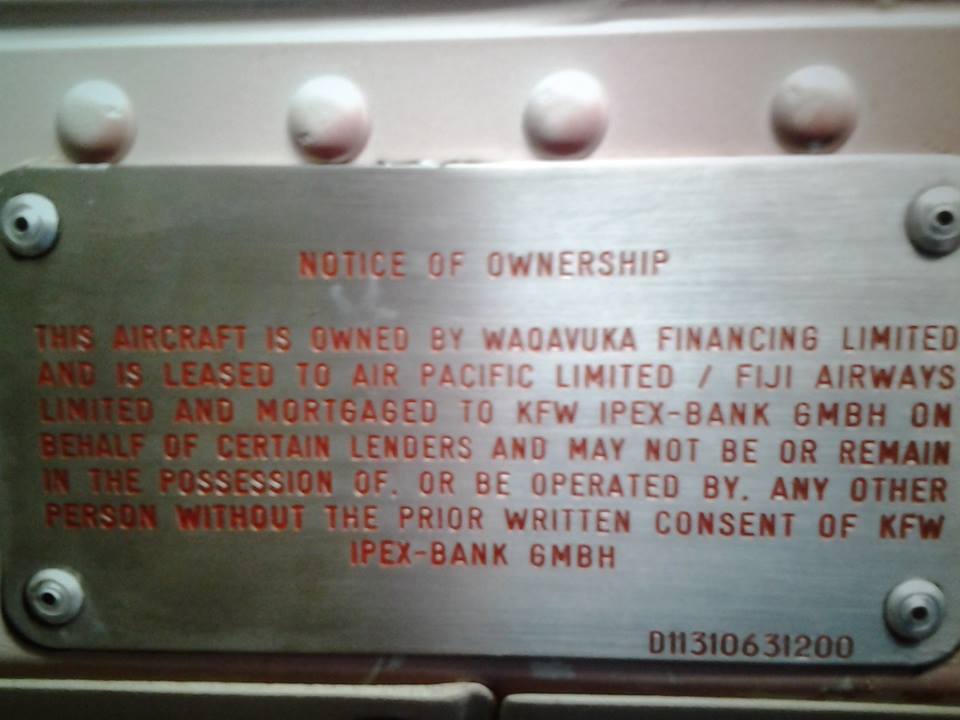
Fiji Airways clears air: Questions raised about the ownership of the three A330 Airbuses have been put to rest by the new Fiji Airways CEO Stefan Pichler. In a statement, the People’s Democratic Party called for enlightenment of the role of Waqavuka Financing Limited and its role in the acquisition of the new aircraft. The party claims the aircraft are owned by Waqavuka Financing Limited and leased to Fiji airways.
“Finance vehicle to get the ECA, credit insurance, if you want to get financing from European banks, it’s the way it is done, every airline in the world does it, and there is no impact on ownership.” Pichler says people have miss-interpreted the concept as this was a medium used to get the loan from European banks. He goes on to say that they have cleared most of their loan from the Fiji National Provident Fund.
Source: FBC News.

14 Comments

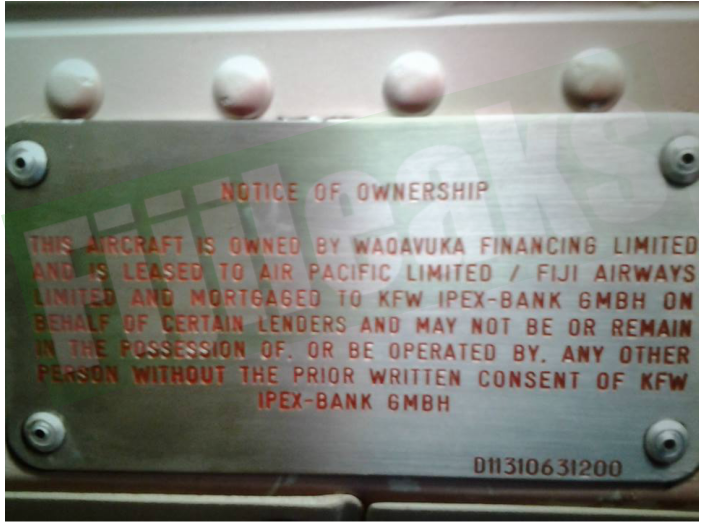
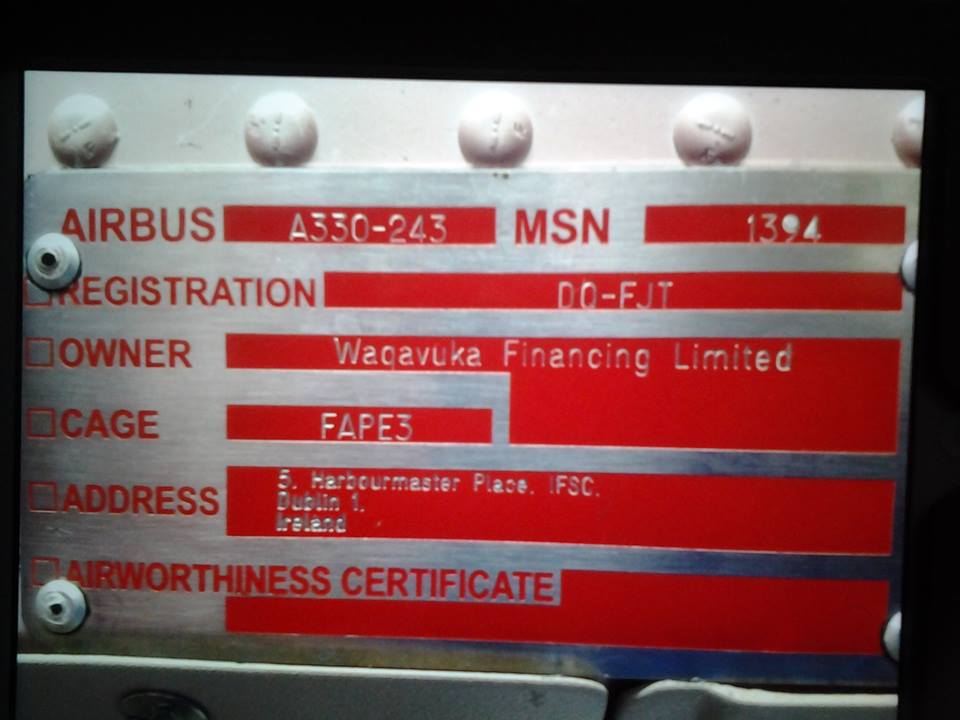
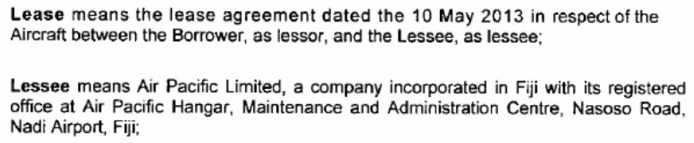
Fiji Airways puts "ownership" claims to rest - says it owns it. If so, why the plate says its owned by Waqavuka Financing Ltd in Dublin, Ireland?

13/9/2013

3 Comments

 
Picture
Picture
PictureLies flying in his face
FIJI Airways has put to rest claims that the new A330 Airbus aircraft is owned by Waqavuka Financing Limited, a company registered in Dublin, Ireland in the business of renting air transport equipment. Newly-appointed managing director and CEO Stefan Pichler (pictured) said the discussions surrounding the ownership of the aircraft were surreal because it was not substantial. He said Waqavuka Financing Limited was a shell company they required to get credit insurance from its international European banking partners.
"In order to get export credit agency (ECA) credit insurance, we have to have this. All airlines have that but there is no interest of ownership. Fiji Airways owns the aircraft," he said this afternoon. Source: Fiji Times, 13 September 2013.

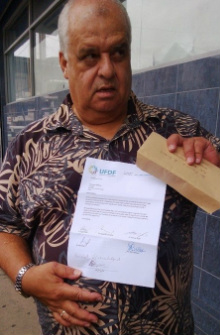
Editor, Fijileaks: Did Fiji Times confront Pichler with the above Airbus plate ownership details?
Picture
Picture
3 Comments

CATHOLIC Analysis. Archbishop Peter Loy Chong: "Bainimarama may have removed a corrupt and racist Qarase government but he has maintained the old iTaukei patron-client politics"

12/9/2013

33 Comments

 
He has merely replaced the traditional chiefs with his military chiefs

Picture
"History shows that I Taukeis featured prominently in Fiji’s coups. All the coups except the 2000 coup involved the overthrow of an I Taukei-led government by either I Taukei militants or the I Taukei led military. Two I Taukei-dominated institutions, namely the Methodist Church and the RFMF, have played influential roles in the coups and moreover, I Taukei political actors and institutions have dominated Fiji’s political history."

"Bainimarama used the patron-client political strategy to gain support, particularly with the grassroots I Taukei. He consolidated power by replacing public servants and heads of governmental departments with military officers."

"How is the evolution of I Taukei power related to the coup culture? The perpetrators of the 1987 and 2000 argued that the coups were carried out to protect I Taukei interests. They were supported by the mainstream I Taukei political bloc (Chiefs, the Bose Vakaturaga, and the I Taukei political bloc). The mainstream I Taukei political bloc is a product of British colonial rule and the myth of cultural homogeneity. In other words they inherited the myth of cultural homogeneity from the colonial government. They represent a political view that is not I Taukei but rather British. We can further argue that although Fiji is an independent nation, it is yet to be decolonized and democratized. The myth of cultural homogeneity therefore offers a hermeneutical key to the understanding Fiji’s coup culture."
The Path Towards Democracy: "My investigation verified that patron-client politics defines the form of power of the mainstream I Taukei political establishment. I therefore argue that patron-client politics breeds the “coup culture” and the loss of democracy. Therefore, to resolve Fiji’s coup culture and facilitate the path towards democracy, politicians and political institutions must go beyond patron-client politics. I contend that without the displacement of patron-client politics there will be little hope of building a democratic Fiji. The patron client politics must be eradicated."
33 Comments

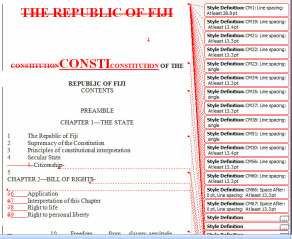
CONSTITUTION FRAUD: President assented to different version on 6th September from the one Aiyaz Khaiyum circulated in August as the final version and which was translated into Fijian & Hindi. Is that why he says NO more talk on Constitution? Cover Up!

11/9/2013

3 Comments

 
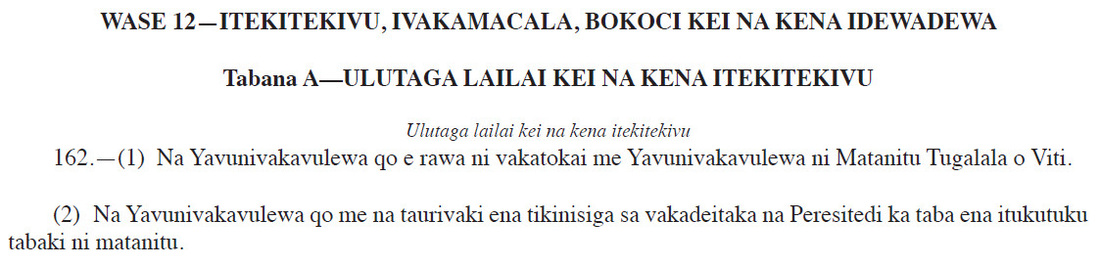
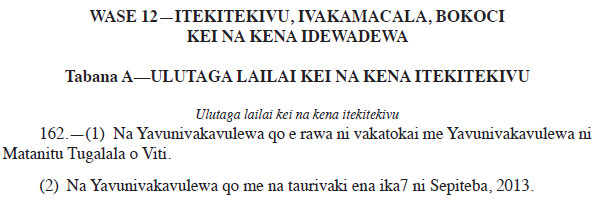
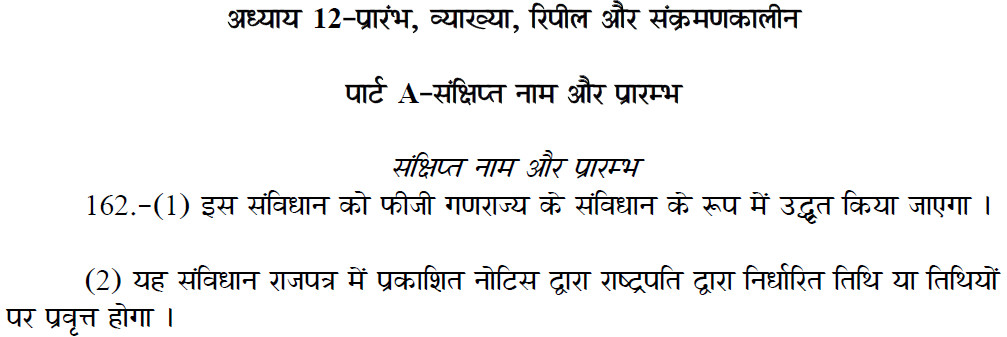
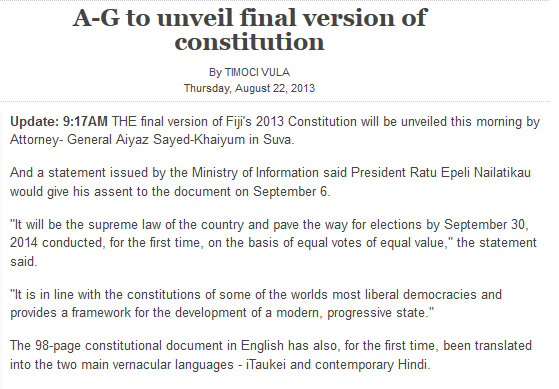
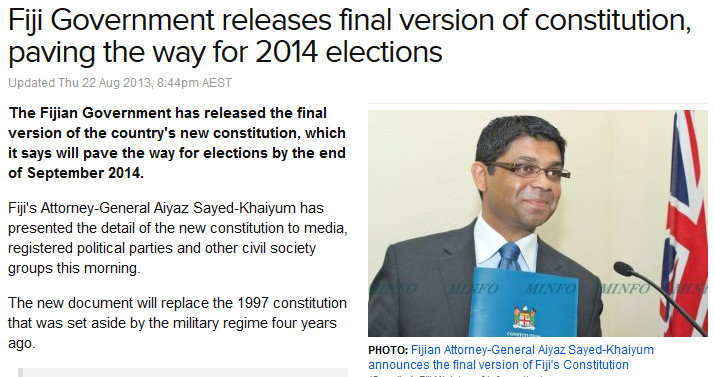
AS the documents below reveal, Aiyaz Sayed Khaiyum perpetrated the biggest constitutional fraud on the nation and the world when he imposed a new Constitution on Fiji. On 22 August he had unveiled what he described as the "Final Version" of the 2013 Constitution. He said members of the public had until September 6 to study the Constitution and make queries about the translation into the vernacular languages.

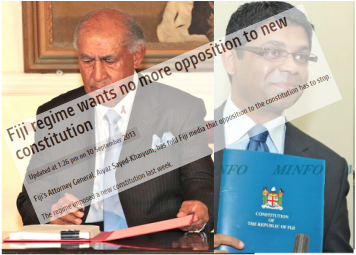
On 6 September the President, Ratu Epeli Nailatikau, assented to the new "Constitution" and thousands of copies were distributed, and are still being distributed, around Fiji and the world.

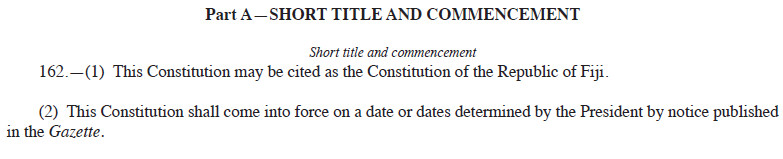
However, a close inspection of the two Constitutions reveal that the one unveiled in August, and the one assented to and distributed  in September, are not the same.

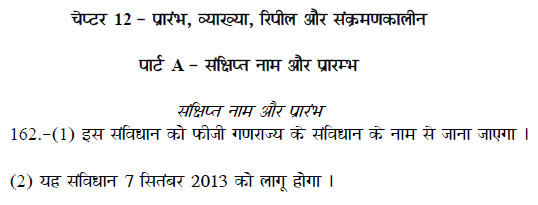
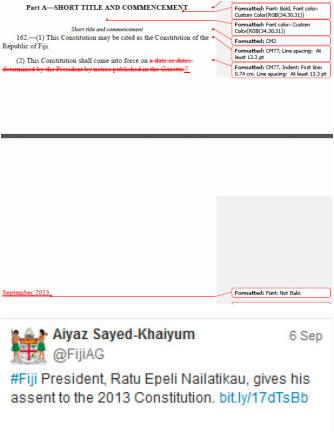
Take, for example, Chapter Twelve of the "Final" August version which states as follows: "This Constitution shall come into force on a date or dates determined by the President by notice published in the Gazette".
Picture
The version assented by the President states that "The Constitution shall come into force on 7 September 2013".
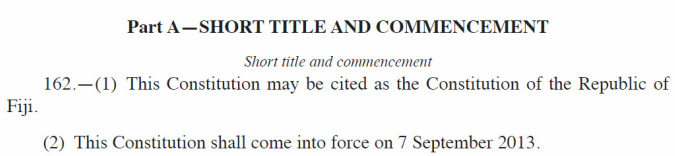
Picture


The "August Version" that was released with much fanfare for the citizens to read and digest is now missing from the internet - for the link has been removed by the Government of Fiji and the Ministry of Information. The President signed the "September Version" on Friday 6 September 2013.

So, it is very clear that the public of Fiji read one version, and are now in possession of another version, especially on the issue of land where "rights" in the August Version have been substituted with "ownership".


And on 6 September Aiyaz Sayed Khaiyum, who is also the Minister for Justice, Anti-Corruption, Public Enterprises, Communications, Civil Aviation, Tourism, Industry and Trade and the Minister responsible for Elections, and is also the Acting Minister for Local Government, Urban Development, Housing and Environment, tweeted: "President, Ratu Epeli Nailatikau, gives his assent to the 2013 Constitution".

Yes, to WHICH ONE, Aiyaz Sayed Khaiyum?


When did the President issue "Notice in a Gazette" and when did you insert the words "7 September 2013"?

Picture
Picture
Picture
The latest version is on the Fiji government website.  The August “Final” version has been removed although the translations were still there last night. First one was 98 pages and this one is 126 pages.  Major changes in Section 29 on LAND

Picture
Picture
Picture
Picture
Picture
Picture
Picture
The August "Final Version"
Picture
Draft Constitution with changes
Picture
3 Comments

MONEY VULTURES: Fiji Regime's illegal FAT CATS get huge pay rises while vast majority of citizens living in wretched poverty and squalor  

10/9/2013

381 Comments

 
Picture
A Price Waterhouse Coopers (PWC) Salary Assessment Report for 24 Permanent Secretaries and 3 Disciplined Service Heads viz Commander RFMF, Commissioner of Police and Commissioner of Prisons will now receive salary increases ranging from $160,000 to $221,894 with effect from 1st September, 2013. Increase in percentage for the disciplined services and five (5) Permanent Secretaries are a whopping 192.5%. The highest paid disciplined service Heads and five (5) Permanent Secretaries are as follows:
(1) Commander RFMF - $221,894
(2) Commissioner of Police - $221,894
(3) Commissioner of Prisons - $221,894
(4) Permanent Secretary, PM’s Office - $221,894
(5) Permanent Secretary, Finance - $221,894
(6) Permanent Secretary, Works - $221,894
(7) Permanent Secretary, Health - $221,894

(8) Permanent Secretary, Education - $221,894


Read FTUC's condemnation of pay hikes HERE
381 Comments

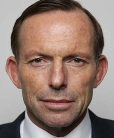
As Fiji regime awaits change in Australian foreign policy, new Prime Minister-elect Tony Abbott  likened to George W Bush - is Abbott a "compassionate conservative"  or  a "bigoted air-head"?

8/9/2013

4 Comments

 
PictureAbott: bigoted bigot?
A "compassionate conservative" in the tradition of George W Bush, a "bigoted air-head" and a leader with a markedly different view on a strike on Syria were among the international assessments of Australia's prime minister elect Tony Abbott.

UK Prime Minister David Cameron called to congratulate Mr Abbott following the election before taking to Twitter announce his delight at working with "another centre right leader".
In the same mould: a statue of former US president George W Bush.

Meanwhile, columnist Tim Stanley proclaimed Mr Abbott's victory a "win for the Christian conservatives" in the UK's Daily Telegraph.

"Whereas some Western conservatives seem to be entirely motivated by the desire to win (Romney, Cameron), Abbott has a philosophy and – almost unique in our materialist age – a theology," he wrote.

"This puts him in the George W Bush, Stephen Harper compassionate conservative tradition – the tradition that tends to attract the most votes."

British Tory MP Douglas Carswell said Mr Abbott's victory should inspire his UK counterparts.

"Abbott's views are throughly (sic) modern. He seems to have seen through global warming fad, wants less government and is pro Anglosphere," he wrote on Twitter.

But British Labour politicians were caustic.

"Oz has elected a bigoted air-head to drag them backwards into mean prejudice and vainglorious chauvinism," wrote MP Paul Flynn.

New Zealand's conservative Prime Minister John Key also extended his congratulations to Mr Abbott, saying he looked forward to building on the two countries' close relationship.

"Australia is our most important relationship. Our common interests span trade, economic, defence and security matters and we co-operate closely in our region and on the international stage," he said.

The New York Times noted that while Mr Abbott was unlikely to herald a change in US-Australia relations, he had "been far less vocal than Mr Rudd in his support for an American-led strike against the Syrian government over a chemical weapons attack in that country's civil war" and pointing to Mr Abbott's “baddies versus baddies" assessment of the civil conflict.


Picture
SODELPA executives invited guests of Australian Liberal Party during the election
The Times' columnist Nicholas Kristof revealed he had been a classmate of Mr Abbott's at Oxford.

"When we were students, we liked Tony but thought him way too conservative to succeed in Australian politics. I guess Oz changed," tweeted Mr Kristof.

As Australians went to the polls, the LA Times declared a "gaffe-prone conservative" was likely to become prime minister.

"Liberal Party leader Tony Abbott has also scandalised political circles by praising a fellow candidate for her 'sex appeal,' denounced abortion as 'a question of the mother's convenience' and dismissed the notion of climate change as 'absolute crap'," the story stated.

The Jakarta Globe queried what an Abbott government would mean for relations with Indonesia, particularly in relation to foreign aid, defence and the handling of asylum seekers.


The paper quoted Mahfudz Siddiq, head of the Indonesian House of Representatives' foreign affairs commission, saying a Coalition proposal to buy back Indonesian fishing boats was "crazy". “The idea is degrading and offensive to the dignity of Indonesians.”

French newspaper Le Monde made particular mention of the disastrous result of the Wikileaks party in the national election, with the headline "Julian Assange fails to enter the Senate."

Australian born media mogul Rupert Murdoch also took to Twitter on Saturday night to offer his analysis of why the Labor party had been tossed from power.

"Aust election public sick of public sector workers and phony (sic) welfare scroungers sucking life out of economy. Others nations to follow in time," he wrote. Source: Sydney Morning Herald


Tony Abbott at Oxford: fighter, networker, Thatcherite: Twenty-two months in England transformed the beer-swilling, rugby song-singing chameleon – and gave him a new hero


4 Comments

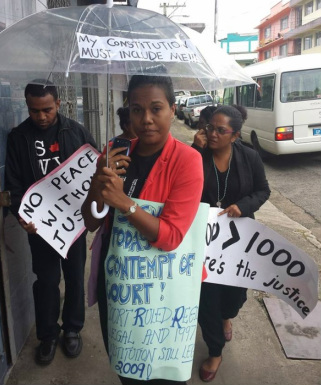
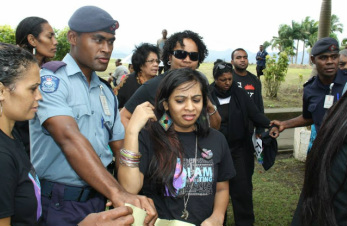
DAY OF REJOICE AND RAGE: President signs new 2013 Constitution  into law as police arrest protestors-women's rights and youth leaders 

6/9/2013

20 Comments

 
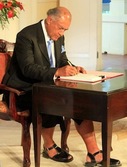
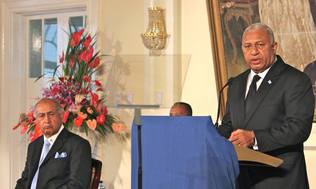
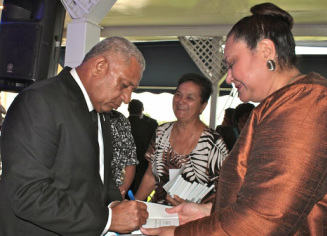
PictureAssent granted!
ADDRESS ON THE ASSENT TO CONSTITUTION
Government House
Friday, 6th September, 2013, SUVA 3.30pm


Salutations and greetings

"I have today given my assent to the 2013 Constitution through the powers vested in me as your Head of State. That Constitution comes into effect tomorrow and will be the supreme law of Fiji. It is also a blueprint for the future direction of our country. It establishes the principle that every Fijian is equal whoever they are, wherever they come from or whatever their religious or political beliefs.

It provides for an independent judiciary, equal access to the law, freedom of speech and expression and a range of unprecedented rights for every Fijian.These include the right to education, health, adequate food and water plus specific recognition of the rights of the iTaukei people for the ownership and protection of their land and recognition of their culture, tradition, customs and language. Similar protections and rights apply to our Rotuman and Banaban citizens.

For the first time, the Constitution has also been published in the two main vernacular languages and has been widely distributed and read.The community has been given the opportunity to check those translations.I commend our new Constitution to you and ask every citizen to give it your support. On any fair reading, it safeguards the rights of every Fijian and finally lays the basis for the development of a modern, progressive and enlightened state.

It no longer entrenches privilege or the rights of some citizens over others. It is the Constitution we had to have for us to join the ranks of the world’s great democracies.Unlike previous Constitutions, it does not define and divide us by ethnicity. It bestows the title of Fijian on every citizen, while celebrating and recognising our cultures.This is a magnificent achievement based on the most fundamental of democratic principles– that all men and women are created equal.

My fellow Fijians,

We now proceed – on the basis of this document – to yet another milestone – the first genuinely democratic election in our history within a little over twelve month’s time. Already, we have four political parties registered for that election and around 540,000 Fijians registered to vote. So to cast this as a hollow gesture - of the will of the Fijian people being disregarded - is demonstrably without foundation.

For the first time, under the terms of this Constitution, every Fijian has a voice and I am assured that voice will be heard next year without hindrance.To be credible, the 2014 election must be free and fair - a contest of policies and ideas between the parties and candidates in which every Fijian voter is the final arbiter. I am confident that this will be the case and urge everyone planning to stand for that election to uphold the highest standards of proper conduct, accountability, honesty, transparency and decency.

My fellow Fijians,

I also want you to envisage the kind of country we can become if some of the provisions of this constitution are embraced by everyone.I am particularly encouraged – excited even - by the way in which it empowers young people.
For the first time, any child born in Fiji gets a much better chance of gaining knowledge and skills, with specific undertakings about access to primary, secondary and tertiary education.

So we will be a smarter nation with more people capable of getting satisfying and sustainable jobs. For the first time, the two principal vernaculars – I’Taukei and Fiji Hindi – are to be taught in our primary schools as compulsory subjects.So we will be a nation better able to communicate with each other and share our stories.For the first time, anyone over the age of 18 obtains the right to vote.

So we will be a nation in which young people are able to participate in the democratic process and provide us all with their energy, idealism and fresh ideas.We all know that Fiji’s future depends on our young people. And more than anything else, this Constitution is for them.


And for their children and the generations to come. All the old attitudes that have held us back, all the old prejudices, cannot survive that generational change if we all resolve to think differently. With these reforms, we are bound to be more united, more cohesive, more conscious that we are one people, one nation with a wonderful future ahead of us.

Ladies and Gentleman,

We are writing a new chapter in our country’s history.We all have our place in that narrative. So I appeal to every Fijian – whatever their political affiliation - to unite behind it. With this document, we lay to rest the institutionalised divisions and inefficiencies' that have plagued us and embrace a common future in which we all have an equal stake.


And we lay the foundations of a new Fiji – taking our place among the great democracies and fulfilling the dream we all share of better days to come.

My God Bless us all in our noble quest to become a fairer and more prosperous nation. May God Bless our beloved Fiji."


Picture
Picture
Picture
Picture
Picture
Picture
Picture
Picture
Picture
Picture
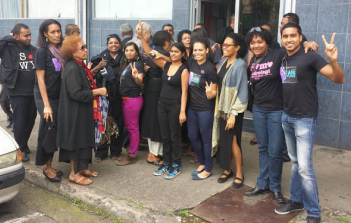
UPBEAT AND DEFIANT: Party leaders show solidarity with arrested protestors
Picture

Frank Bainimarama to Fiji: "As a nation, we had lost our way. And I remain convinced that only the most radical intervention was capable of ever turning us around. With the revolution and the new Fijian constitution, our national compass has been reset...As I’ve already pledged, I will subject myself to the will of the Fijian people at the polls before the end of September 2014. It is they who will pass judgment on me and my political party, under this new constitution...God Bless Fiji"

Picture

Your Excellency, the President, The Honourable Chief Justice and members of the judiciary, Cabinet Ministers, Your Excellencies, members of the Diplomatic Corps, Distinguished Guests Ladies and Gentlemen,

Bula vinaka and a very good afternoon to you all.

The term historic is sometimes used a little too freely but not today.

Because this is truly a historic occasion in the life of our nation and will be regarded as such, long after we have all passed into history ourselves.

His Excellency, our President has spoken eloquently about why today is so important.

For the first time, Fiji meets the standards of the world’s great democracies and will join their ranks.

We now have a Constitution that meets the test of a genuine democracy, that upholds the legal and moral basis of a common and equal citizenry without losing individuality or culture.

It’s taken us 43 years and three Constitutions to get here.

But now, finally, it’s happened. And it’s cause for immense celebrations.

This afternoon, I seek your indulgence to reflect on the true meaning of this occasion.

Today marks the completion of the revolution the RFMF and I embarked on six and a half years ago.

That revolution was to put our nation back on track after years of turmoil. To fulfill our vision, at Independence, of a just, vibrant, and multicultural economic powerhouse in the Pacific.

I was a youth of sixteen on that brilliant sunny day - October the 10th 1970 - and clearly recall the surge of pride and optimism that went through everyone when our flag was raised after 96 years of British rule.

We were Fiji, the Way the World should be. For the first few years, the future looked bright as we led the way to independence for a string of other countries in our region, who looked to us as a beacon - a source of inspiration and a role model.

But unfortunately, there were unscrupulous elements at work.

Elites used their positions - whether in political parties, religious organisations, trade unions, traditional society or business - to advance their personal interests and entrench their privileges.

So much so that the notion of a just society, of an accountable government, of one nation, was being eroded from within.

Similarly, the justification for the removal of governments in 1987 and 2000 was wrong. It was a concoction by a selfish few, resisting change, who preyed on the misguided and the ignorant. It was the biggest of lies.

Tens of thousands of Fijians suffered and many simply gave up on the country and left. It remains the most shameful episode in our nation’s history and must never be repeated.

The real shame was not just in the countless personal stories of dislocation, discrimination and increased poverty, but the wasted years of development for all Fijians.

It also created a culture of every person for themselves, of loyalty to self rather than the nation-state of Fiji.

History records that I played a significant role in 2000 as commander of the RFMF, bringing the siege of the Parliament to an end, and charging an interim government with the task of rebuilding the nation.

But it too was captive to the same forces of division. And by December 2006, events were spiraling out of control: the integrity of our institutions was at risk, corruption had become endemic, and we were in danger of becoming a failed state.

We had to reset the clock, create “Year Zero.” With men and women of goodwill, we had to rebuild Fiji and put it on a different path, a path of equality and inclusiveness.

We had to end the culture of self-entitlement, corruption and hypocrisy that had taken root to the detriment of ordinary people.

Your Excellency, my fellow Fijians,

Many modern, stable democracies have gone through their own turbulent periods. Some have gone through decades of instability and bloodshed, while others have had a single defining moment. These events changed the course of history. They turned their countries from bastions of elitism and oppression into nations of freedom, equality and true democracy.

The United States has its Bunker Hill and Civil War; France has the storming of the Bastille and the French revolution; Australia, the Eureka Stockade; Britain a bloody history to establish constitutional monarchy.

We Fijians too have had our period of turbulence - our catharsis. Today, however, marks our new beginning. Today, we launch the blueprint for our genuine democracy.

The 2013 Fijian Constitution enshrines principles that are at the heart of all the great liberal democracies - an independent judiciary, a secular state and a wide range of civil, political and socio-economic rights.

Our three previous Constitutions - in 1970, 1990 and 1997 - failed the basic test of genuine democracy. They enshrined the notion that the votes of some people in Fiji were worth more than others, that some people deserved more rights than others. That in order to possess a right, you had to take it away from others.

These constitutions highlighted differences rather than commonalities. Every time we went to vote, we had to stand in separate lines. How could we expect our nation to be united? How could we expect political parties to appeal to all Fijians when the very structures of these constitutions, the very structures of governance, differentiated us?

As a nation, we had lost our way. And I remain convinced that only the most radical intervention was capable of ever turning us around. With the revolution and the new Fijian constitution, our national compass has been reset.

As I said the other day, it has stretched some of our international relationships to the limit. Instead of being willing to listen and understand, some of our oldest friends turned their backs on us.

They sought to damage us with travel bans, erode our attempts to attract the best people to government jobs and boards, jeopardise our ability to borrow money for our development and even tried to torpedo our contributions to UN peacekeeping.

I have to say that this campaign to sabotage our national interests filled me at times with disappointment and dismay. Because these countries chose to support a form of democracy, governance and justice in Fiji that they would never have accepted themselves.

Had they helped us, rather than hindered us, this day might have come sooner. The election might have come sooner.

Surely they realise that this constitution is as democratic and inclusive, or even more so, than anything they have themselves.

To the few voices of skepticism and criticism, I say: read the constitution. You will find that it meets the standards of the most liberal of democracies and international norms and conventions.

Every month that passes we are building the foundations of our new parliamentary democracy. Close to 540,000 Fijians have registered to vote for the 2014 election and four political parties have registered thus far.

As I’ve already pledged, I will subject myself to the will of the Fijian people at the polls before the end of September 2014. It is they who will pass judgment on me and my political party, under this new constitution.

We are now a more just and a more caring nation. Our reforms have strengthened our independent institutions and created new ones to increase accountability and transparency, and to remove systemic corruption.

Our voice in the world has never been stronger. We serve the international community not only through our UN peacekeeping but with our volunteer retirees who are raising standards of education and health in our smaller neighbours.

Your Excellency, my fellow Fijians,

The same optimism that I felt as a 16 year old at Independence I feel again at almost 60. We have a blueprint for a new future, one in which every young person in Fiji today can also share. We need to tap their optimism and idealism to take our country forward. We need to provide a better future for their children and grandchildren.

On this wonderful day - a day to remember and celebrate - we Fijians can once again be truly proud of ourselves and our beloved country.

God bless Fiji.

Vinaka vakalevu. Thank you.


Picture
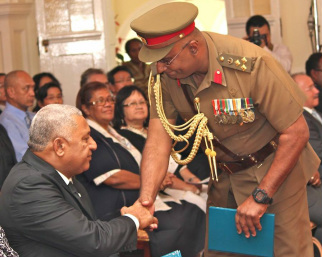
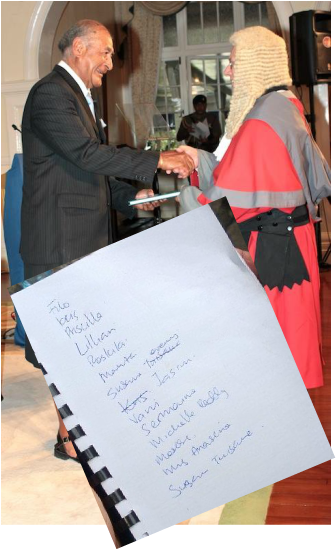
LEGAL Sanction: Chief Justice Anthony Gates gives his own seal of approval to new Constitution - as police take into custody the following on the LIST
Picture
Party leaders protesting from outside as regime moves on with its own new Constitution
Picture
Picture
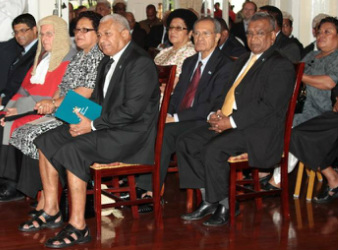
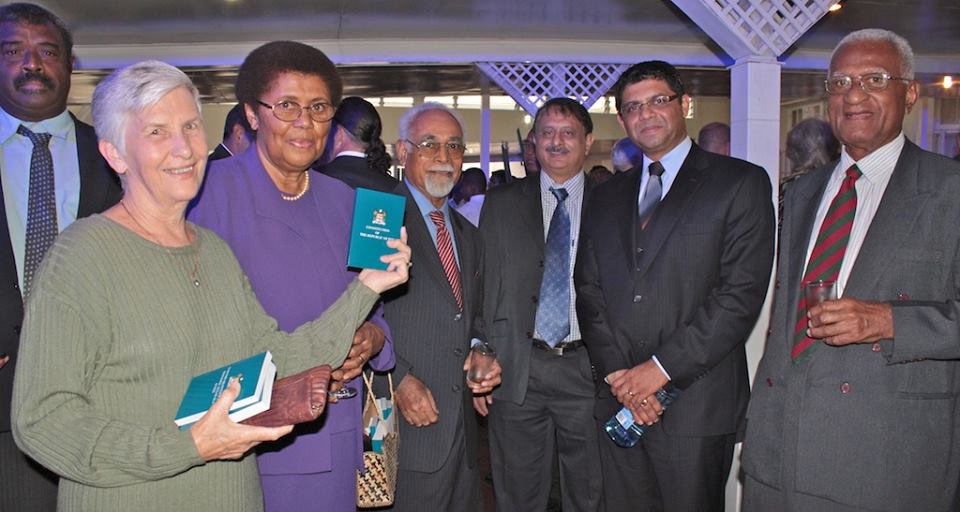
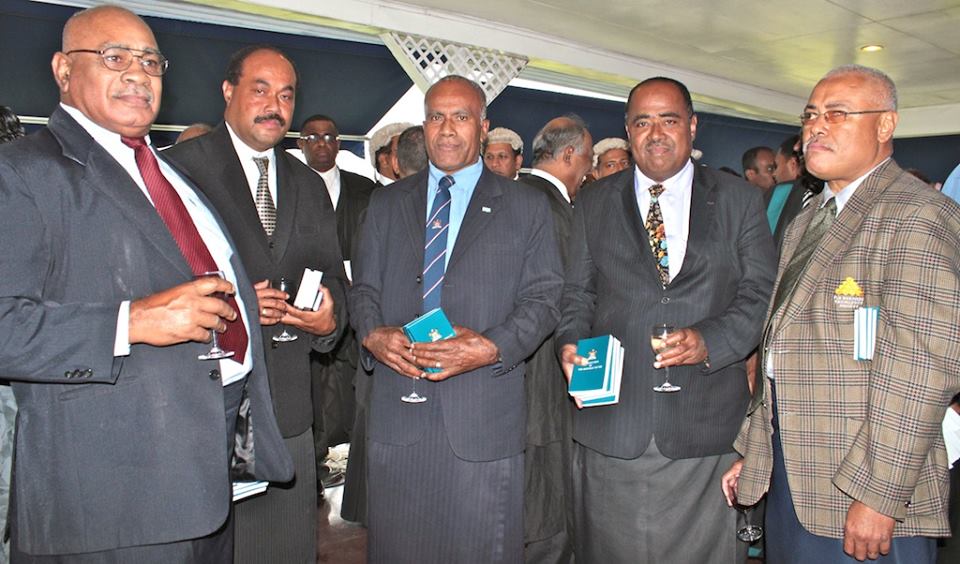
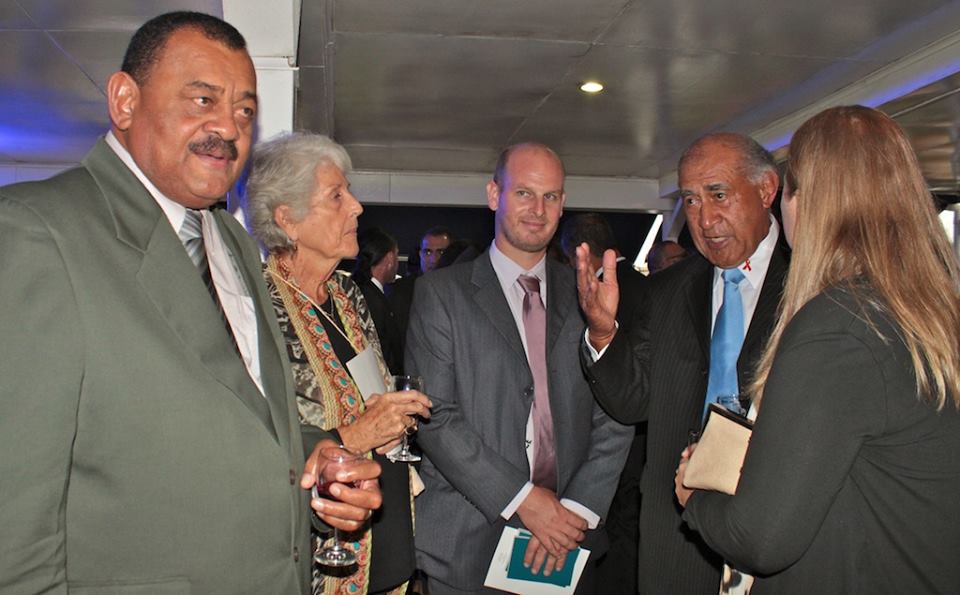
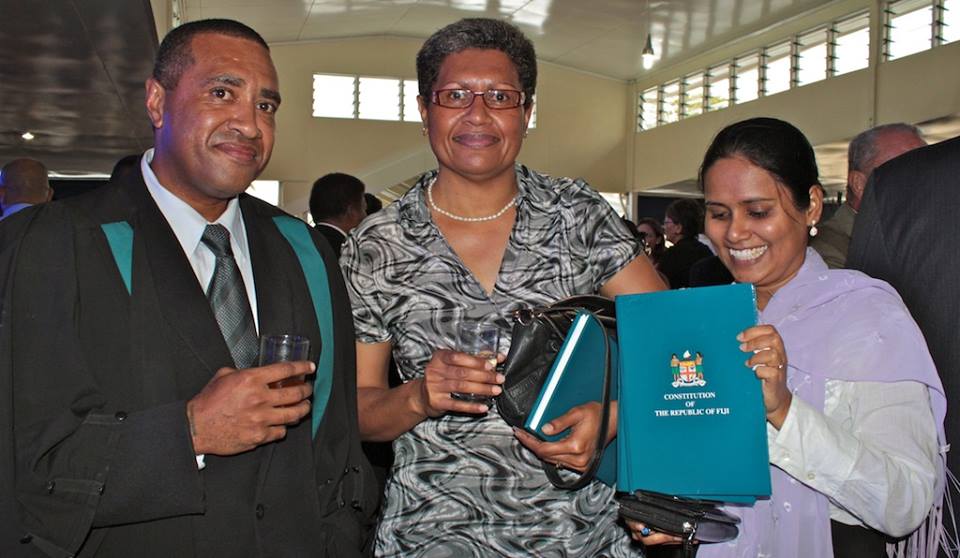
THE 2013 Constitution party-goers are all smiles
Picture
Picture
Picture
Picture
Picture
Picture
Picture
Picture
Picture
Picture
Picture
Picture
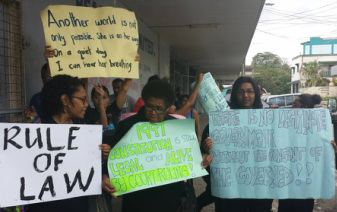
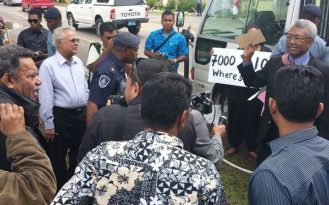
MAKING THEIR POINT: Protestors reject regime imposed Constitution
Picture
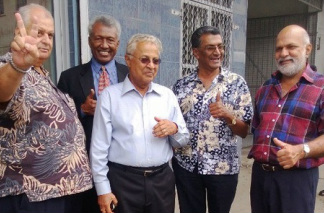
BRUTAL REALITY: Protestors driven to police station
Picture
STANDING UP for the protestors: Suva lawyer Richard Naidu on hand at the police station
Picture
CHIEFS and Church leaders missing from scene as brave women stand up for the "silent majority" against regime Constitution
Picture
HISTORY PROTESTORS: Fighting spirit on display as protestors released by regime policemen
Picture
Picture
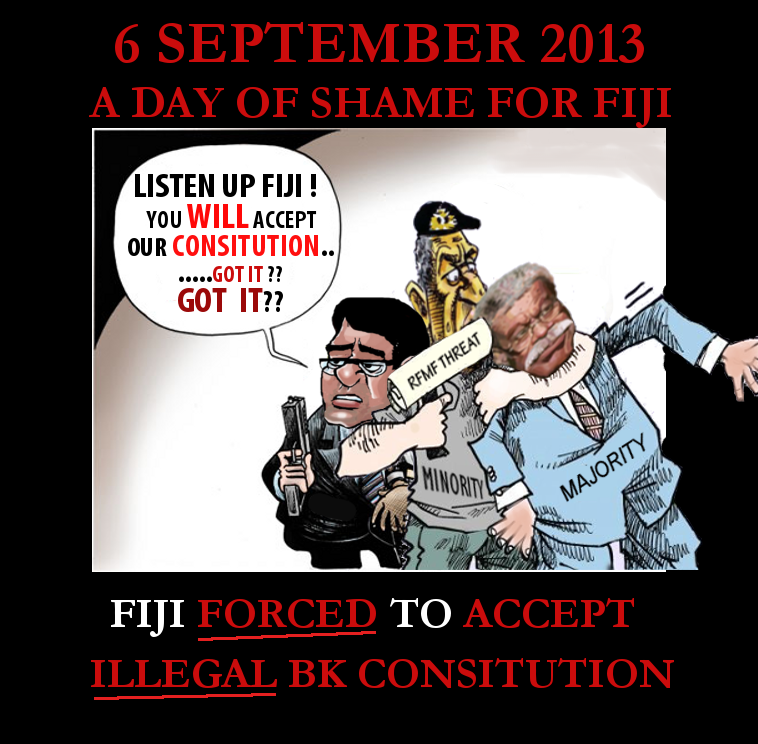
Cartoon: Truth for Fiji website
Picture
20 Comments
<<Previous
Forward>>
    Contact Email
    ​[email protected]
    Picture
    Picture
    Picture

    Archives

    June 2026
    May 2026
    April 2026
    March 2026
    February 2026
    January 2026
    December 2025
    November 2025
    October 2025
    September 2025
    August 2025
    July 2025
    June 2025
    May 2025
    April 2025
    March 2025
    February 2025
    January 2025
    December 2024
    November 2024
    October 2024
    September 2024
    August 2024
    July 2024
    June 2024
    May 2024
    April 2024
    March 2024
    February 2024
    January 2024
    December 2023
    November 2023
    October 2023
    September 2023
    August 2023
    July 2023
    June 2023
    May 2023
    April 2023
    March 2023
    February 2023
    January 2023
    December 2022
    November 2022
    October 2022
    September 2022
    August 2022
    July 2022
    June 2022
    May 2022
    April 2022
    March 2022
    February 2022
    January 2022
    December 2021
    November 2021
    October 2021
    September 2021
    August 2021
    July 2021
    June 2021
    May 2021
    April 2021
    March 2021
    February 2021
    January 2021
    December 2020
    November 2020
    October 2020
    September 2020
    August 2020
    July 2020
    June 2020
    December 2018
    November 2018
    October 2018
    January 2018
    December 2017
    November 2017
    October 2017
    September 2017
    August 2017
    July 2017
    June 2017
    May 2017
    April 2017
    March 2017
    February 2017
    January 2017
    December 2016
    November 2016
    October 2016
    September 2016
    August 2016
    July 2016
    June 2016
    May 2016
    April 2016
    March 2016
    February 2016
    January 2016
    December 2015
    November 2015
    October 2015
    September 2015
    August 2015
    July 2015
    June 2015
    May 2015
    April 2015
    March 2015
    February 2015
    January 2015
    December 2014
    November 2014
    October 2014
    September 2014
    August 2014
    July 2014
    June 2014
    May 2014
    April 2014
    March 2014
    February 2014
    January 2014
    December 2013
    November 2013
    October 2013
    September 2013
    August 2013
    July 2013
    June 2013
    May 2013
    April 2013
    March 2013
    February 2013
    January 2013
    December 2012
    October 2012
    September 2012